Introduction and Basic Concepts
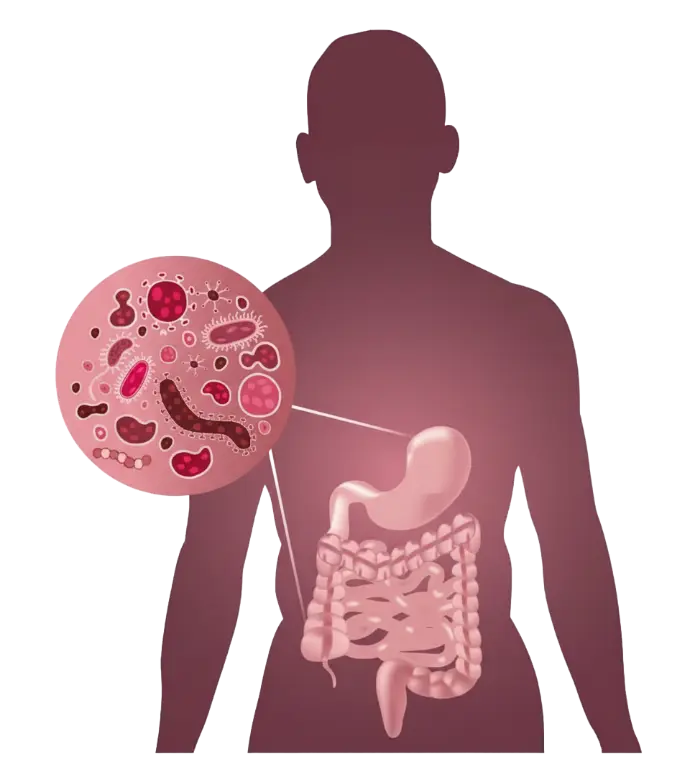
The human body is not made of human cells alone. It also hosts an enormous number of microorganisms: bacteria, archaea, fungi, viruses and protozoa. These organisms live on our skin, in our mouth, in the gut, in the respiratory tract, in the urogenital tract, and on almost every surface that is in contact with the external environment.
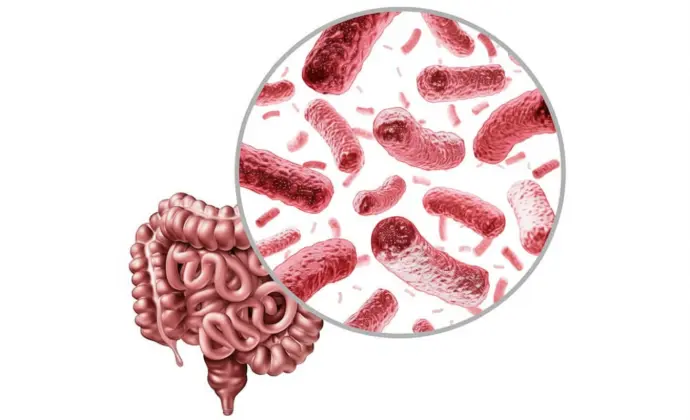
The term microbiota refers to the community of microorganisms living in a specific environment. For example, the gut microbiota is the community of microbes that inhabit the digestive tract. The microbiome is often used in two ways:
either to describe the collection of genomes of all these microorganisms,
or more broadly, to describe the whole microbial ecosystem, including microorganisms, their genes and their surrounding environment.
The metagenome is the collection of all the genetic material (DNA) recovered directly from an environmental sample (for example, a stool sample). Instead of isolating and sequencing each microbe separately, metagenomics allows us to sequence everything together and then reconstruct which organisms are present and which functions they encode.
Because of this intimate association, humans are sometimes described as “super-organisms” or holobionts: a single functional unit composed of the host and all its symbiotic microorganisms. This view emphasizes that our physiology, metabolism and immunity are shaped not only by our human genome, but also by our microbial partners.
The microbiota is not restricted to the gut. Important microbial communities are found:
in the oral cavity (teeth, tongue, saliva),
on the skin, which is exposed to the external environment,
in the vaginal microbiota, which plays a role in reproductive and urogenital health,
in the respiratory tract, including the nasal passages and lungs.
Each site provides specific conditions (pH, oxygen, humidity, nutrients) that select for particular microbial communities. Together, these ecosystems form a complex, dynamic and essential part of human biology.
Microbiota Analysis Methods
To study the microbiota, we first need to collect representative samples from the body site of interest. Common examples include:
Stool samples for gut microbiota,
Swabs for skin, oral, nasal or vaginal microbiota,
Biopsies from mucosal tissues (for example, intestinal biopsies taken during endoscopy).
Good sampling practice aims to capture the microbial community as it exists in the body, while minimizing contamination. This means using clean tools, following standardized procedures, and labeling samples clearly. For many microbiota studies, the way a sample is collected (e.g. time of day, fasting state, use of preservatives) is carefully controlled, because these factors can influence the observed microbial composition.
Once collected, samples must be stored under appropriate conditions to preserve DNA and prevent major changes in the community. Stool can be frozen at low temperatures (often −20°C or −80°C) or placed in specific stabilizing reagents that allow room-temperature storage for a limited time. Swabs or biopsies may also be preserved in specialized solutions. The key concept is to prevent bacterial growth or degradation that would alter the true in vivo composition.
Standardized procedures for collection and storage improve the reproducibility and comparability of microbiota studies. Without such standardization, differences between studies might reflect technical variation more than genuine biological differences.
After sampling, the next key step is DNA extraction. Microbiota samples often contain a mixture of human cells, microbial cells, food particles, mucus and other components. The goal of extraction is to efficiently break open cells and isolate high-quality, relatively pure DNA suitable for downstream analysis.
The process typically involves three main stages:
Cell lysis – disrupting cell membranes and walls to release DNA. This can involve mechanical methods (bead-beating), chemical agents (detergents) and/or enzymatic treatments.
Removal of proteins and other contaminants – using salts, enzymes and solvents to separate DNA from other cellular components.
Purification and concentration – binding DNA to a solid phase or using precipitation methods, then eluting it in a clean buffer.
Microbial DNA extraction presents specific challenges. Some bacteria have thick or resistant cell walls, making them harder to lyse than others. If lysis is incomplete, DNA from these organisms will be under-represented in the final dataset. Samples may also contain substances that inhibit PCR or sequencing. Therefore, extraction methods need to be optimized and validated to ensure that they are as unbiased and efficient as possible.
Different commercial kits and protocols exist, and the choice can influence the final microbial profile. Recognizing these technical factors is important when designing studies and interpreting results.
Culture-based methods involve growing microorganisms on nutrient media under controlled conditions (temperature, atmosphere, time). These methods allow detailed characterization of individual strains, including their morphology, metabolism and susceptibility to antibiotics. However, many microbes from the human body are fastidious, requiring very specific conditions that are not always known or easy to replicate. As a result, traditional culture may detect only a limited subset of the community.
Culture-independent methods analyze microbial DNA directly from the sample without the need for cultivation. A common approach is 16S rRNA gene sequencing for bacteria and archaea. The 16S rRNA gene is present in all bacteria but contains variable regions that can distinguish different taxa. The gene is amplified by PCR, sequenced and compared to reference databases to infer which groups are present and their relative abundances.
Another approach is shotgun metagenomics, in which all DNA in the sample is fragmented and sequenced. This method provides information not only on which organisms are present, but also on the functional genes they carry. It can detect bacteria, archaea, viruses and eukaryotic microbes, although analysis is more complex and resource-demanding.
Both culture-based and culture-independent methods have advantages and limitations. Culture allows direct study and manipulation of living organisms, but may miss many community members. Sequencing gives a broad and detailed picture of community structure and potential function, but it is indirect and requires careful bioinformatics analysis. In practice, combining both approaches can be very powerful.
While DNA-based methods provide a picture of who is there and what they are genetically capable of doing, they do not always show what microbes are actively doing at a given moment. To address this, researchers use additional “omics” layers:
Metatranscriptomics analyzes the collection of RNA transcripts, giving insights into which microbial genes are actively expressed.
Metaproteomics studies the proteins produced by the microbial community, reflecting actual functional activity at the protein level.
Metabolomics focuses on small molecules and metabolites produced or modified by microbes and host, such as SCFAs, bile acids or other compounds.
Together, these approaches provide a more dynamic and functional view of the microbiota. When multi-omics datasets (DNA, RNA, proteins, metabolites) are integrated with host data (clinical parameters, immune markers, diet, genetics), they can reveal complex interactions between microbes and host physiology.
This systems-level perspective sometimes called systems biology is at the core of modern microbiome research and is particularly important in the context of precision medicine, where individual variability needs to be understood across multiple layers.
Sequencing and Metagenomic Analysis
Next-generation sequencing (NGS) refers to a group of technologies that can sequence millions of DNA fragments in parallel. The basic idea is that DNA is fragmented, attached to a solid surface or beads, amplified and sequenced base by base. Instruments detect the incorporation of nucleotides and convert these signals into digital sequences, called reads.
In microbiota studies, NGS usually produces short-read sequences (tens to hundreds of bases long). Important parameters include:
Read length – how many bases are read per fragment;
Read depth or coverage – the total number of reads obtained, which influences sensitivity and ability to detect rare organisms;
Throughput – total amount of sequence data produced per run.
For 16S rRNA gene sequencing, specific regions of the gene are amplified and sequenced. For shotgun metagenomics, DNA is fragmented randomly and sequenced without targeting a particular gene. In both cases, NGS generates large amounts of data that require dedicated computational tools to process and interpret.
Once sequencing is completed, we obtain raw reads that contain not only biological information but also technical noise. A typical bioinformatics pipeline includes:
Quality control – removing low-quality reads, trimming poor-quality bases, and discarding adapters or contaminants.
Filtering and denoising – identifying and correcting errors introduced during sequencing; clustering reads into groups.
OTUs vs ASVs:
Operational Taxonomic Units (OTUs) are clusters of similar sequences grouped at a chosen similarity threshold (e.g. 97%).
Amplicon Sequence Variants (ASVs) aim to resolve sequences at single-nucleotide resolution, providing finer detail and greater reproducibility across studies.
Taxonomic assignment – comparing OTUs or ASVs to reference databases to assign them to known taxa (e.g. genus, species when possible).
For shotgun metagenomics, additional steps may include assembly (reconstructing longer sequences from overlapping reads) and gene prediction (identifying potential coding regions). The final result is typically a table of taxa and their relative abundances, plus optional functional annotations.
Even at a conceptual level, it is important to understand that each step in the pipeline involves choices that can influence the final results. Therefore, transparency and standardization in bioinformatics workflows are crucial.
Beyond describing which organisms are present, metagenomics can also provide information about functional potential. In shotgun metagenomics, DNA sequences can be annotated with gene functions and metabolic pathways using reference databases. This allows estimation of which pathways (e.g. SCFA production, vitamin biosynthesis, bile acid metabolism) are enriched or depleted in different conditions.
Functional analysis can reveal common patterns even when taxonomic composition is highly variable between individuals. In other words, different microbial communities may carry out similar functions, a concept sometimes referred to as functional redundancy.
Linking composition to function involves integrating taxonomic and functional data:
identifying which taxa contribute to specific functions,
examining how changes in taxonomic composition translate into changes in predicted metabolic capacity.
Functional metagenomics is particularly relevant in the context of disease mechanisms and therapeutic targets, because it connects microbial changes to biochemical processes that can interact with host physiology.